


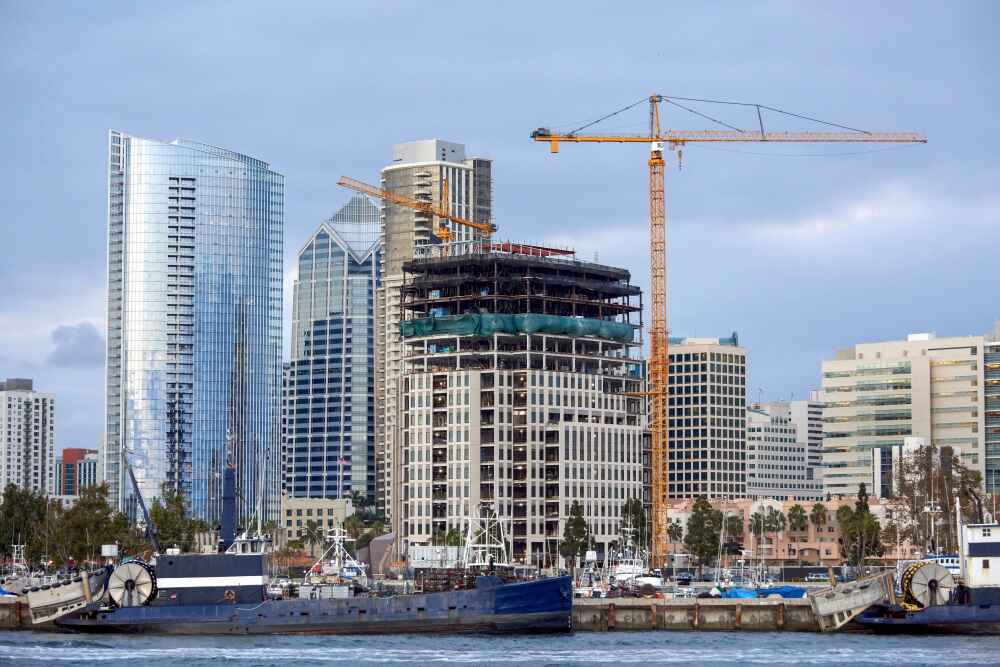
Theoretical patterns of smart cities have now transitioned into real-world applications, becoming a reality within many of the Middle Eastern nations and throughout the world at large. Smart cities are based upon urban environments employing cutting-edge technologies and sound urban planning and infrastructure designs to increase the quality of life for their residents. Structural engineering forms the basis of smart city development, according to Strudco. For example, below every modern city skyline, underneath every safe bridge, and beneath each transportation hub or smart building is the structural support system that holds the components together. We operate as one of the leading structural design companies in Dubai that understands the importance of creating structures that ensure safety and durability while meeting future requirements. Smart cities are buildings that can last for decades. They are materials that are carefully selected. They are designs that can withstand climate change, heavy traffic, and future expansion. Structural engineering is the backbone of every smart city. Without structural engineering, even the most advanced technology cannot work effectively.
What Makes a City “Smart”?
A smart city applies data, planning, and technology to enhance transport, energy consumption, safety, and sustainability. For instance, smart transport systems require robust bridges and stations. Smart energy systems require buildings that can support solar panels and energy-efficient facades. Smart residential skyscrapers require efficient structural layouts that can support flexible space. Our structural engineers ensure that all these systems are safe and integrated properly. We determine loads, perform stress analysis, and select materials. We ensure that buildings can support wind, heat, earthquakes, and normal wear and tear. This provides a solid foundation for architects and planners to innovate without worrying about the structure’s integrity.
Robust Structures for Rapidly Expanding Cities
The Middle Eastern cities experience rapid growth as they expand their urban areas. The construction industry is currently building skyscrapers, mixed-use developments, airports, hospitals, and smart business districts. The fast expansion of the area requires complete construction planning. A smart city must be designed to meet the needs of today and tomorrow. The system requires designers to create building systems that can handle increased weight, additional vertical space, and future system enhancements. The process requires designers to implement material usage methods that will cut both waste and operational costs. Our team evaluates each building through its architectural design process to determine the necessary safety requirements and budget limitations and construction scheduling requirements. We design permanent structures that will continue to operate effectively throughout their entire service life.
Supporting Modern Architecture
Smart cities use unique architectural designs and their outstanding skyline views to create a special urban space. Successful achievement of every new design needs support from reliable engineering methods. Designers need to make accurate measurements that determine the structural needs of large glass facades and curved structures and open spaces. Architects need structural engineers to help them build their innovative architectural designs. The collaboration between different teams shows us how essential it is to work together for our projects with top architectural designers in Saudi Arabia. Designers need exact models and comprehensive details when they create projects that require specialized materials and work with complex structures and long distances. Our structural engineering expertise allows our team to convert architectural design concepts into actual building solutions. Our team ensures that all steel RCC facades and composite systems maintain their design requirements and safety standards.
Designing for Sustainability
Smart cities focus their main efforts on realizing sustainable development goals. The main goals of the project are to develop energy-efficient systems and minimize waste. Structural engineering plays a vital role in providing support to sustainability initiatives. The organization achieves sustainability by using a variety of approaches. The first step is to maximize material efficiency. The process helps in minimizing the use of unnecessary steel and concrete materials. The second step is to develop building designs that can facilitate the implementation of renewable energy technology. The third step requires us to analyze climate conditions, giving special emphasis to hot climates where the effects of wind and heat are substantial. Building envelopes play a critical role in helping to realize sustainability goals. Our collaboration with façade designers in UAE helps architects to design structural systems that can facilitate the use of energy-efficient glass and shading systems and cladding materials. The building design process becomes more energy-efficient when façade designers and structural engineers collaborate.
Infrastructure That Supports Smart Living
Smart cities are not just about buildings. They also include bridges, transportation nodes, industrial buildings, and infrastructure. Structural engineering is necessary to ensure that these are safe and long-lasting. Bridges have to be able to support heavy traffic. Metro stations have to be able to handle large numbers of people. Hospitals have to be able to function even when everything else fails. Data centers have to be able to maintain a stable structural environment. We analyze load paths, soil properties, wind patterns, and usage patterns. We also adhere to international standards to ensure that our projects meet requirements. Our experience with projects around the world has enabled us to adjust to different standards and conditions.
Technology and Engineering Working Together
Technology is revolutionizing the way a city operates. But technology has to be grounded on a strong physical foundation. Buildings require strength and reliability as essential requirements for their smart sensors and automation systems and connectivity features to function correctly. Structural engineering studies how actual forces impact building systems. We minimize risks while achieving maximum system reliability. Our engineers create designs through advanced engineering software, which helps them achieve optimal design quality within the fastest time frame. The high stakes and time constraints of mega projects make this aspect essential for their success.
The Future of Smart Cities
The future will observe the construction of taller buildings, together with the development of sustainable systems and the expansion of interconnected infrastructure networks. Structural engineering will progress through the development of new technologies. The next generation of smart cities will depend on two main elements, which are lightweight materials and modular design combined with advanced modeling software. Strudco takes pleasure in working on projects that present us with complex challenges. Our organization upholds the principle that all innovative work must maintain its connection to fundamental engineering standards. The combination of our structural capabilities and modeling methods plus our international expertise enables us to create secure cities that will maintain their operational capability in the future.