
loader image
  • +91 475 222 4629 / +91 8593053989
  • info@strudco.com

We are Registered and Approved With Gulf Countries

Accurate load calculations in structural design by structural engineering consultants and designers in Saudi Arabia and Bahrain

Why Accurate Load Calculations Are Critical in Structural Design

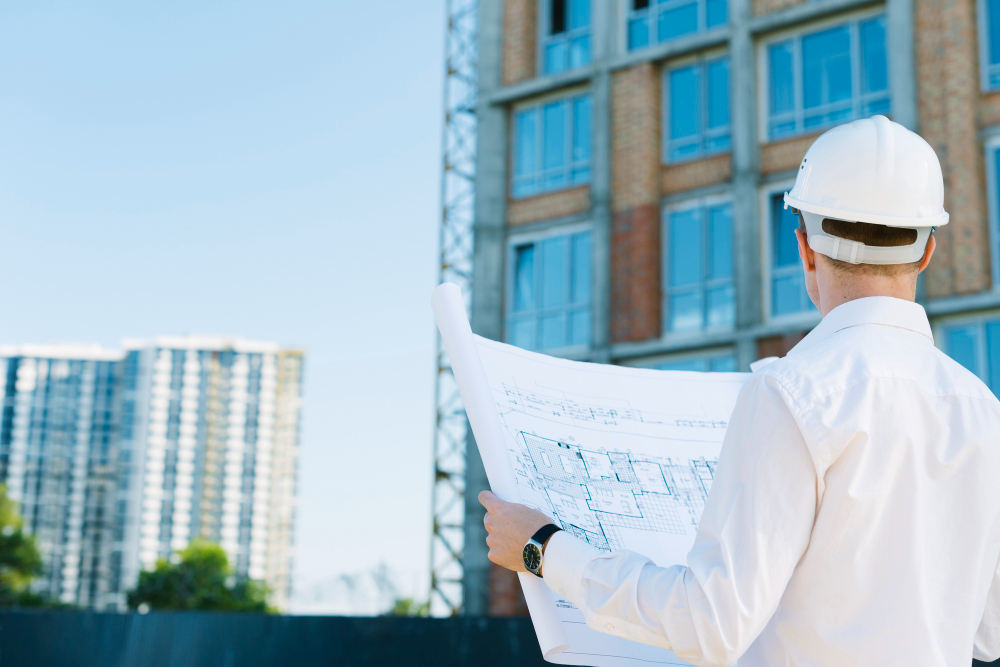
The structural design of a building is not just expected to be sound; it is equally important to ensure that each structure can withstand all the loads that it is bound to experience over its lifetime. At Strudco, we have come to realize that the calculation of all loads is essentially the backbone of constructing safe and sound buildings. Be it a high-rise tower, an industrial setup, or a commercial hub, each and every building is required to withstand all the operational and environmental conditions, such as gravity, wind, earthquakes, temperature fluctuations, and the occupation of various operational factors. As premier facade BIM designers in Qatar, we have witnessed how a small margin of error while calculating all the loads can compromise the safety of structures to a great extent.

Every building has its own variety of loads, and without any of these, building design would not be effective. Dead loads generally refer to the weight of the building, such as beams, slabs, columns, and walls, and other components such as furniture, people, vehicles, etc., that are placed on the building. Environmental loads, on the other hand, generally refer to wind pressure, seismic activity, and sometimes snow in certain regions. However, in coastal regions or high-rise buildings, wind load can also be considered to be of critical importance. When these load calculations are not done appropriately, it may cause the building to become over-designed or under-designed. Over-designing can cause delay and raise costs, while a building that is under-designed can result in cracks, deflection, or even failure.

The structural safety of buildings depends completely on the ability to understand how external forces are transmitted throughout the buildings. The forces are transmitted from slabs to beams, from beams to columns, and then to the foundation and ground. One wrong calculation of assumed forces could affect the entire assumed load path. As structural engineers, this is why we have to critically analyze all factors to ensure that we understand how all factors interact. As a structural design consultant in Bahrain, we have handled many designs that require strict compliance with regional and international requirements. The codes define how we should calculate wind loads, earthquake intensities, and even the safety factor to ensure stable buildings. With precise calculations of all assumed loads, we can ensure better coordination among consultants to avoid conflicts during construction.

Accurate calculations of loads can also help engineers determine the exact size of beams, columns, reinforcements, or steel materials that are needed to support structures. This can prevent unnecessary material usage, such as steel or concrete, while still preserving maximum integrity. In large-scale commercial or business-related projects, eliminating even a small quantity of material can result in huge savings. However, it is only possible if proper data is collected and considered to be accurate. Otherwise, it can lead to the drafting of structures that may cause unnecessary expenditures. In many projects, such as those involving facades, proper calculations are crucial, as they help engineers utilize maximum benefits without sacrificing any potential characteristics. Through our façade BIM services in Saudi Arabia, it is possible to ensure that proper loads, such as wind pressure, dead loads, or connection loads, are accurately coordinated in relation to the main structure.

Modern structural designs incorporate computer models and simulations to ensure an understanding of how such structures will perform under different loads. Previously, engineers would only perform calculations to determine the performance of their structures. However, modern engineers utilize computer models to examine how the stress will be distributed in the respective structures and to ensure that there is no deflection or instability. When structural designs go wrong, they often do so as a result of errors in structural designs or incorrect assumptions. Through detailed analysis, engineering teams ensure minimal legal implications and the protection of clients against future consequences.

A building needs not only to be safe during its construction but also when it is used. When used for some time, the building develops fatigue, is exposed to the environment, and occupancy changes can influence its performance. The building design uses precise load calculations to determine its capacity to support future weight requirements. Therefore, commercial buildings might need extra load-bearing capacity in the future due to equipment or occupancy. If accurate load calculations were initially performed, the building will perform as required. However, if it is not the case, the building might need modification. For instance, in areas that are undergoing fast development, such as Saudi Arabia, it also has to adjust to meet the demands of quite daring architectural schemes and large spans. For us as structural designers in Saudi Arabia, we understand that while creativity is crucial, precision is also vital, and we can achieve that by accurately assessing loads.

Structural design does not operate in isolation; it has to be aligned with architectural intent, with the façade system, and with the MEP installations. Accurate load calculations present each discipline with the forces acting on the building. When these structural loads are well-defined, façade anchors, connection plates, and support brackets can be designed correctly from the very start. This coordination significantly involves BIM technology. Integration of the structural model with the façade model enables the engineer to visualize how loads are transferred across systems. This assures a reduction of clashes, reworks, and delays on site. Clear communication of data about loads also allows international teams to improve their collaboration when working across different regions.

Different countries have building codes that specify load requirements and safety factors. The application of these standards is to be applied meticulously by the engineer in order to comply with these standards. For a precise calculation of loads, it is indeed necessary to have a clear vision of the environmental conditions of the region and the nature of the soil. For instance, here at Strudco, we have to design in several countries around the world. Therefore, a clear understanding of the international codes and conditions of the region is necessary. By strictly adhering to these codes and verifying the assumptions made regarding loads, we are sure of delivering a structure that is safe and within the expected norms.

Load calculation is inarguably the backbone of any structure design, as safety, cost, and sustainability are highly dependent on accurate data. Without careful consideration of dead loads, live loads, and environmental loads, buildings cannot be expected to achieve stability. As the best structural engineering consultant in Saudi Arabia, Strudco has expertise in engineering, along with the use of technology and international code updates, which allows every design to be accurate and reliable. By considering accurate data as of utmost importance right from the very inception of design, we enable our clients to acquire safe, efficient, and sustainable buildings.
Read More
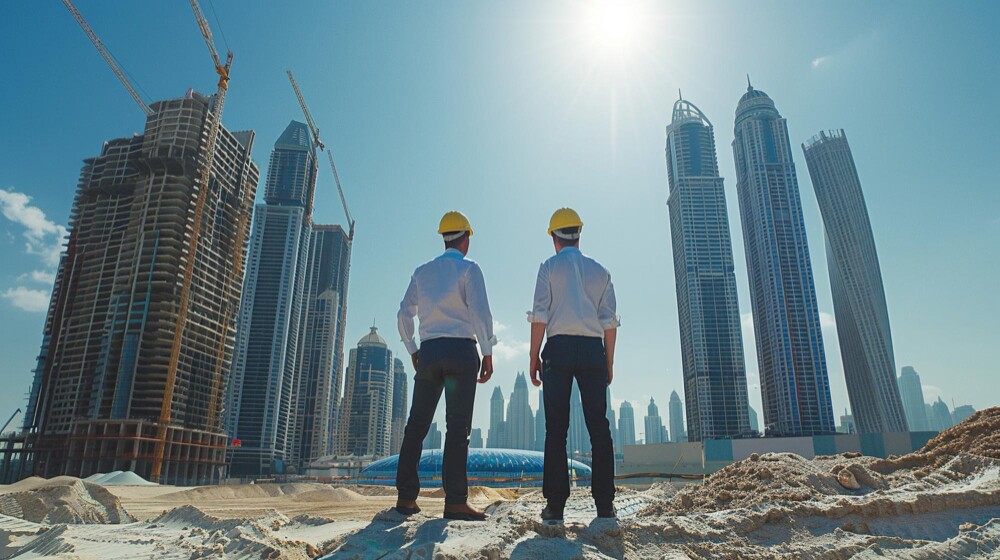
Structural engineers applying international design standards on Middle East infrastructure project using BIM models

How International Design Standards Shape Structural Projects in the Middle East

The Middle East occupies one of the fastest-growing construction markets across the world. The extensive range of structures being developed throughout the area requires superior quality in terms of engineering. This superior quality is achieved primarily through adherence to internationally recognized design standards. These standards govern the process of developing a structure from conception to completion, including planning, analysis, detailing, and construction of the structure; as a result, they create a safe, durable, and efficient end product. Strudco, being one of the leading architectural BIM design companies in Dubai, believes that good quality engineering is built upon globally accepted design methodologies with the incorporation of local site conditions.

International design standards are technical guidelines created by worldwide engineering associations to guarantee the safety of buildings under loads, environmental conditions, and extended usage. They specify the properties of various materials, the way forces work on them, and how to mitigate risk. The most frequently referenced standards are from the United States, Great Britain, and Europe and are generally accepted as standard throughout the Middle East. They give a similar level of quality and make it easier for engineering teams to work together globally. Structural engineering consultants in UAE use these standards to develop designs that meet both regulatory and performance standards while having a global reputation.

The construction sector in the Middle East has many distinct issues. Because of the extreme temperatures, the severe nature of the environment, the earthquake risk in some areas, and the large architectural goals, there is a need for reliable engineering.

Using international codes of practice allows engineers to:

• Design buildings that are resistant to winds and heat extremes

• Ensure that the material will last over the long term

• Provide for the safety of large-scale development projects

• Acquire approval from authorities more quickly

• Follow best construction practices in the world

By adhering to established codes of practice, engineering teams will decrease mistakes, better manage risk, and ultimately increase the overall efficiency of the project.

Every successful project relies on structural analysis, which is defined as the manner in which loads will be applied to and distributed throughout a structure. International standards defined how to calculate and apply the various types of loads—live, seismic, wind, and dead loads—to ensure structures are as strong and efficient in their use of materials as possible. If an engineer were to overdesign a building, they would be increasing costs unnecessarily, whereas if they were to under design it, they would be creating an unsafe structure. It is the international standards that provide balance between these two extremes of engineering practice. Strudco strives to ensure that every structural model is built safely and accurately and meets the requirements of each project.

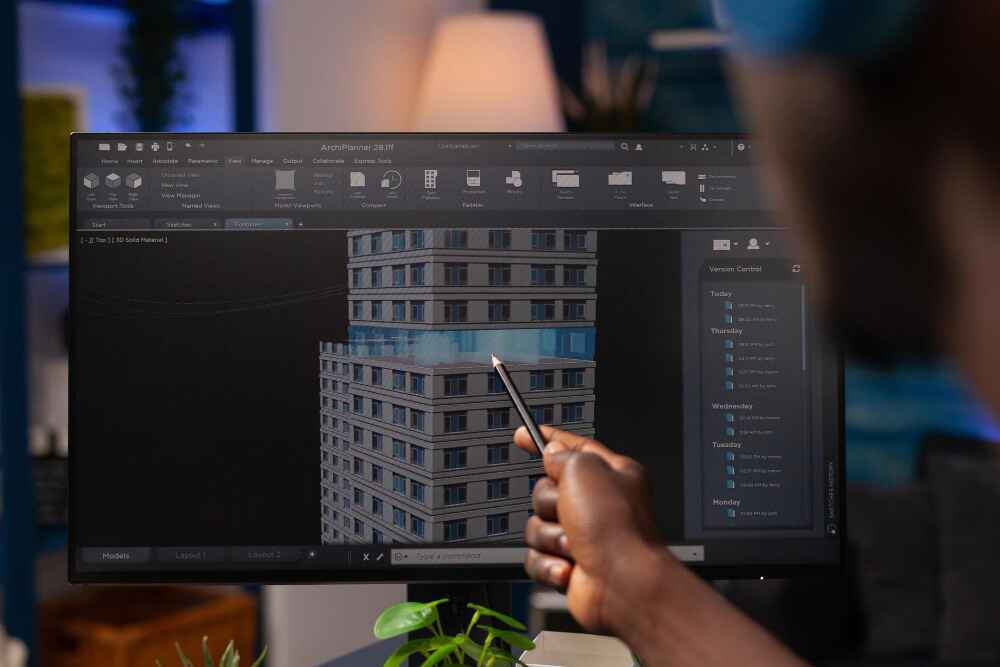
Construction projects today are incredibly complex. They require the combined efforts of several disciplines working together to complete them successfully. One way that companies are able to meet this challenge is through the use of digital tools, which have a huge impact on how engineers are able to implement the various international standards required of them. Through advanced modelling methodologies, engineers are able to model real-world conditions, identify conflicts early, and work together in an efficient manner. BIM service providers in the Middle East offer a convenient avenue for engineers to create intelligent three-dimensional models of structures, which allow for the integration of all structural, architectural, and mechanical engineering disciplines into one cohesive set of coordinated models. This method of producing cumulative digitized information for projects enables project teams to visualize their compliance with international standards, reduce the need to rework earlier produced information, and maintain accuracy over time.

In the Middle East, it is typically a requirement for local authorities to modify the codes to accommodate the unique regional climate and soil type, as well as the specific building methods utilized in the region. As such, it is important for engineering teams to understand both the international standards and the local modifications made to them. Having team members who have both international experience and familiarity with local code modifications means the team has the knowledge to obtain the necessary approvals while executing the building process on-site. With our extensive international experience in multiple countries, Strudco is able to incorporate international codes while fully complying with local regulations.

International collaboration with contractors and consultants on various projects in the Middle East is commonplace, with the use of common design standards allowing for collaborative efforts towards the achievement of shared goals by the project team members. International building codes are not only established by the United States. However, many other countries around the world have adopted similar codes. Because of this, projects that require the cooperation of teams from different countries with a structural engineering consultant in Saudi Arabia must also consider the correct international building code when determining what level of workmanship is available at each stage in the process. Working together as a team with structural engineers from various countries allows projects to comply with the appropriate international building codes, enabling projects to achieve domestic development objectives.

Our international design standards act as the foundation for our engineering team’s development of reliable structural solutions by using global industry-specific standards alongside advanced technologies and local insight to deliver solutions to difficult situations on fast-track projects. Combining current technological capabilities with established standards allows us to comply with safety and maintain quality levels while providing projects with the greatest efficiency. Through the use of international design standards, we can create an infrastructure for the construction industry in the Middle East. The uniformity provided by these design standards will help provide consistency on projects, allow for safety to be maintained, and provide opportunities for creativity and innovation. The combination of the appropriate engineering experience and the right digital tools allows international design standards to become a critical component in successfully delivering construction projects.

Read More
Smart façade engineering designed for desert climates with shading systems and energy-efficient materials

The Future of Smart Façade Engineering in Desert Climates

Smart Façade Engineering changes the way buildings will behave in inclement weather. Buildings in very hot desert areas are concerned with extreme heat, strong sunlight, sand, and dry winds. Therefore, architects and engineers require façades that are beautiful and, at the same time, strong enough and energy-efficient. We at Strudco use sophisticated and advanced tools and modern methods to create such façades, which perform well even under the most demanding conditions. As one of the leading structural designers in Saudi Arabia, we learn how desert environments demand better planning, better materials, and better engineering solutions.

Desert climates provide unique demands. A good façade in such regions needs to protect the structure, reduce heat inside the building, and allow the building to function smoothly each day. Smart façades tackle the issue of heat regulation with the help of new materials, along with smart designs and digital technologies. They prevent harmful rays from entering and, in turn, cut the energy consumption. They also improve indoor comfort, which is a major factor in countries where air conditioning is used most of the year. Having been a trusted structural engineering consultant in Saudi Arabia, Strudco studies the environment meticulously before starting any façade project. Our team considers the sun’s position, wind patterns, building height, and design preferences of the client to come up with efficient façades.

Many new materials and tools now support smart façade engineering. High-performance glass is able to block the heat but still let the light pass through. Shading systems can automatically adjust according to the sun’s position. Double-skin façades create natural airflow that cools the building. These are solutions not just for tall towers; even mid-size commercial buildings, villas, hospitals, and malls can benefit from our services. When we design for the future, we help our clients save energy, reduce maintenance costs, and enhance the lives of their buildings.

One of the biggest advantages of smart façades is energy savings. When the skin of the building prevents a large part of the heat from penetrating the interior, the use of air conditioning goes down, and this results in saving electricity, cutting carbon emissions, reducing the monthly bills, and also making the indoor temperature the same as the outdoor temperature. They operate on natural shading, smart glazing, and better insulation. Strudco has been a part of various projects where façade design helped reduce energy use without affecting the look of the building. This result makes clients more confident about investing in smart engineering practices offered by leading structural design companies in Dubai.

The future of façade engineering is in the hands of those engineers who can understand climate challenges and use modern technologies judiciously. The engineers at Strudco have acquired international expertise matched by field experience. We are working to international standards and using the most up-to-date software to make accurate models. This makes it possible for us to provide façades that are all the more durable and functional. There are accelerated urban developments in desert cities. Apart from new towers, there are daily constructions of new commercial spaces, residences, and public infrastructures. The engineering of smart façades will be crucial in propelling this growth upwards. The modern developers are after the aesthetics and at the same time the efficiency of a building façade. And we, as the most trusted façade designers in UAE, are prepared to deliver on those expectations.

Read More
structural engineering consultant in Saudi Arabia

Advantages of Hiring a Global Structural Engineering Consultant in Saudi Arabia

Engaging a structural engineering consultant in Saudi Arabia who possesses international experience can be a game-changer for your construction endeavor. Strudco’s team uses the latest BIM services to ensure coordination among the various stakeholders in a project, exposing areas of potential errors or damaging miscommunication before construction begins. We always seek to develop designs that are both interesting and functional, and we statistically utilize 3D models and simulations to make sure we minimize any chances of compromising our designs. Utilizing a globally conscious consultant allows you to learn of various best practices, resulting in your project being delivered with the highest possible standards without inducing any potential costs or delays associated with escalation; thus, your project maintains its profitability.

By leveraging advanced BIM services in UAE, working with a qualified structural engineering consultant ensures accuracy and efficiency during every stage of structural design. Our team of experts at Strudco has access to the latest tools and methods in structural design to assess complex structures, whether it be steel framing, RCC, or aluminium and glass facades. Due to the collaborative nature of our field, we can easily communicate with the architects and the MEP team, further limiting the risk of rework and miscommunication. Utilizing global codes and global technologies, it is possible to achieve local compliance with the highest international quality standards.

Experienced structural engineering consultants in UAE provide holistic solutions to even the most complex projects. We offer structural analysis and shop detailing drawings for your structure, as well as as-built documentation or rebar detailing, giving you an all-in-one solution. Our experience working in various countries allows us to migrate designs across environmental conditions, building regulations, and the needs of our clients. Given an international perspective, we can anticipate potential problems so that material use is optimized and remain able to deliver remedies that are secure and sustainable for clients.

Today’s construction requires seamless technological integration, which is why a leading structural design consultant in the UAE relies on technology like Tekla Structures and sophisticated BIM tools. Our detailers and engineers use these technologies to produce incredibly precise 3D digital models that facilitate effective coordination between structural, façade, and MEP teams. By visualizing the entire project virtually before construction, we can identify clashes, better utilize resources, and consequently save time and money. The benefits of our global experience include introducing new innovative designs that local teams may not have had the opportunity previously to employ to the benefit of a project to achieve world-class results.

From a common-sense perspective, it clearly makes sense to hire the best structural engineering consultant, as this will lead to improved accuracy, more design solutions, and benefit overall project management. Our existing BIM capabilities and experience as a structural design consultant in UAE ensure that the programs are fully delivered with the best level of efficiency and quality. Our investment is primarily based on quality, speed, and innovation, which have been the cornerstones of our service, and thus, we have become the preferred partner for clients who are undertaking difficult structural projects internationally in Saudi Arabia and globally.

Read More
Experienced structural engineering consultant in Saudi Arabia providing innovative and reliable building solutions

Major Trends Influencing Façade Design Firms Today

Façade engineering is an expression of innovation, sustainability, and functionality, combined with the attainment of maximum safety and aesthetics. Strudco noted how global markets, particularly in urban centers like Singapore, adopt up-to-date façade engineering to respond to next-generation architectural demand. As a major structural engineering consultant in Saudi Arabia, Singapore, and the wider region, we provide unparalleled service and a design process that is impacting the method of pursuing facade innovation at a regional scale, demonstrating the combination of design capability and site development outcomes globally.

One of the most prominent trends defining Singapore façade design firms today is sustainability. Developers and architects seek green materials, such as carbon-emission-reducing materials like energy-efficient glass, recycled aluminum, and natural composites. We apply these to create environmentally friendly and aesthetically pleasing façades. As we move towards international standards, our expertise also allows us to support projects with the services of the best structural designers in Saudi Arabia, who are contributing to shaping the sustainable mega-projects’ development in the Middle East.

Technology has become the pillar of façade engineering. Advanced modeling, 3D visualization, and building information modeling are reshaping the design and installation of façade systems. In modern-day façade design studios, concepts like load simulation software and digital twins are engineered and fashioned so that they map onto the sciences of performance simulation and prediction, cost minimization, and construction errors. Our engineers bravely entered the world of new and advanced technologies to provide accurate and timely information. Such an ability is transferred to major projects such as BIM services in UAE, where construction is held to the highest standards in relation to accuracy, specified delivery periods, and perfect coordination among the various engineering disciplines.

Singapore is emerging as the country of experimental architecture, where function and beauty blend into one. Nowadays, the focus of architects working with façade design is on those adaptive façades, double skins, and smart façades that adjust according to light, temperature, and environmental conditions. So, the advertised technologies are not designed products but are strategic products that promote occupant comfort and conserve energy. We appreciate that each project faces a different set of challenges, and we then set ourselves to create façades that will fit the new design vocabulary while giving it structural strength. Through a robust network as well as regional specialization, we team up with the top façade design companies in Singapore, thereby enabling our clients to enjoy the world’s best, locally adapted to their needs.

Digital and sustainability transformations suggest adaptive and smarter designs as trends determining the façade design studios in Singapore and thereby contemporary building solutions. Strudco looks forward to creating value by combining international knowledge with emerging technologies. Strudco, therefore, endeavors to stay apprised of these trends to offer to the clients plausible and competitively advantageous facade solutions. With every project, we reaffirm our commitment to excellence, precision, and forward-thinking design.

Read More