

Teamwork is going to be the foundation for building beautiful structures that actually stand up. Architects bring creativity and design vision, whereas structural engineers ensure those creative ideas will hold up in the physical world. Strudco understands that the best architecture comes from a combination of practice and science, all coming together to create experiences or timeless designs. Being established facade BIM designers in Qatar, we have seen how, through coordination of the designer and engineer, projects have flourished from their most challenging inception into long-standing great realizations.
The Power of Early Collaboration
The biggest challenge during the process of construction involves a break between design and structure. Communication between an architect and a structural engineer can proactively avoid this separation, provided both parties are willing to share information and ideas and can anticipate problems much earlier in the process if it is started at the beginning. Being engaged in the design process early on will lower the occurrence of (costly) redesigns, make the permitting easier, and produce credible evidence of the safety performance parts of the design, without compromising the design itself. In cases of intricate façade or new materials, we will apply BIM modeling discussions early on to assure everyone involved that their individual ideas are the best ideas possible, given the constraints that the engineering of the project determines, and to satisfy them all fully. We are a respected structural design consultant in Bahrain and want to emphasize that every successful project comes from a common understanding of the needs to be met. The architect’s role is to realize a building’s form and intended use, while the engineer transforms the designer’s intention into a realized project using engineering solutions. The sooner the architect and engineer are aligned, the better they will be able to establish trust and bring to life innovative solutions.
Bridging Design and Technology Through BIM
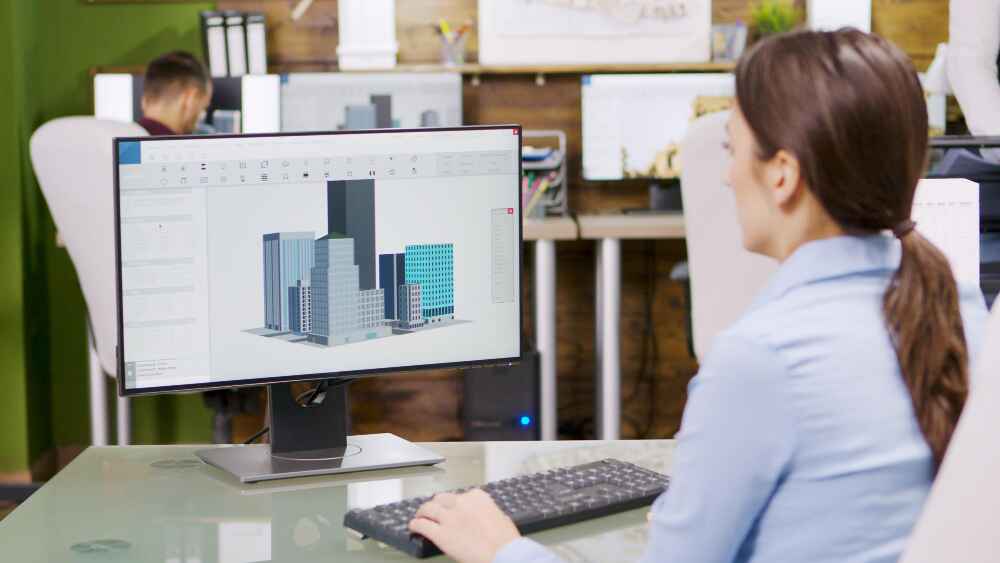
BIM has transformed the collaborative process of design through the provision of a uniform digital environment in which architects, engineers, and contractors can visualize, change, and refine designs together and in real time. In the case of façade systems, BIM can assist in coordinating the design intent and structural realization, particularly in projects that are largely understood through glass, aluminium, or complex geometries. Technology-supported collaborative models provide minimized error and more accurate and efficient material usage than conventional methods. If all project stakeholders are able to visualize the same 3D model, data-driven decision-making occurs, and the results are more predictable. Our work providing Facade BIM services in Saudi Arabia shows us that collaborating with BIM support means higher productivity and the assurance that the project was delivered on time, within budget, and at the highest quality.
Communication: The Heart of Every Project That Succeeds
Collaborating rests on open communication, mutual respect, and a sense of collaborative responsibility. First, through meetings that occur daily for the project, open workflows, and sharing “everything,” the team eliminates conflicts and enables change. Architects and engineers must communicate about design intent and structural feasibility in the same ‘language.’ On every project, Strudco cultivates this culture of collaboration; there are ways of working in a multidisciplinary team that ensure that every design idea is backed by engineering robustness and detail, which ensures the best package gets presented to the client. As one of the leading structural engineering consultants in UAE, we can effectively bridge between design and engineering through collaboration. Using the right tools and uniquely specialized skills collectively, we can enhance the outcome of a partnership-driven success on a worldwide project.
Our Perspective on Success
Architects and structural engineers do not necessarily think the same when addressing a project, but they share a common pursuit of excellence that is the best possible balance between form and function. Every project is viewed as one of collaboration that brings together creativity and precision, beauty and strength. We are all in this together, and this is what generates our collective efforts in ensuring every nuance of the design works holistically and is a complement to all other details, leveraging a grander outcome. With creativity, technologies, and a desire to create designs beyond functionality, we continue to raise the expectation for success and innovation in projects on a worldwide scale.