


The Middle East occupies one of the fastest-growing construction markets across the world. The extensive range of structures being developed throughout the area requires superior quality in terms of engineering. This superior quality is achieved primarily through adherence to internationally recognized design standards. These standards govern the process of developing a structure from conception to completion, including planning, analysis, detailing, and construction of the structure; as a result, they create a safe, durable, and efficient end product. Strudco, being one of the leading architectural BIM design companies in Dubai, believes that good quality engineering is built upon globally accepted design methodologies with the incorporation of local site conditions.
Role of International Design Standards in Structural Engineering
International design standards are technical guidelines created by worldwide engineering associations to guarantee the safety of buildings under loads, environmental conditions, and extended usage. They specify the properties of various materials, the way forces work on them, and how to mitigate risk. The most frequently referenced standards are from the United States, Great Britain, and Europe and are generally accepted as standard throughout the Middle East. They give a similar level of quality and make it easier for engineering teams to work together globally. Structural engineering consultants in UAE use these standards to develop designs that meet both regulatory and performance standards while having a global reputation.
Why the Middle East Relies on Global Engineering Codes
The construction sector in the Middle East has many distinct issues. Because of the extreme temperatures, the severe nature of the environment, the earthquake risk in some areas, and the large architectural goals, there is a need for reliable engineering.
Using international codes of practice allows engineers to:
• Design buildings that are resistant to winds and heat extremes
• Ensure that the material will last over the long term
• Provide for the safety of large-scale development projects
• Acquire approval from authorities more quickly
• Follow best construction practices in the world
By adhering to established codes of practice, engineering teams will decrease mistakes, better manage risk, and ultimately increase the overall efficiency of the project.
The Role of Structural Analysis and Design Accuracy
Every successful project relies on structural analysis, which is defined as the manner in which loads will be applied to and distributed throughout a structure. International standards defined how to calculate and apply the various types of loads—live, seismic, wind, and dead loads—to ensure structures are as strong and efficient in their use of materials as possible. If an engineer were to overdesign a building, they would be increasing costs unnecessarily, whereas if they were to under design it, they would be creating an unsafe structure. It is the international standards that provide balance between these two extremes of engineering practice. Strudco strives to ensure that every structural model is built safely and accurately and meets the requirements of each project.
How Digital Engineering Connects to the International Standards
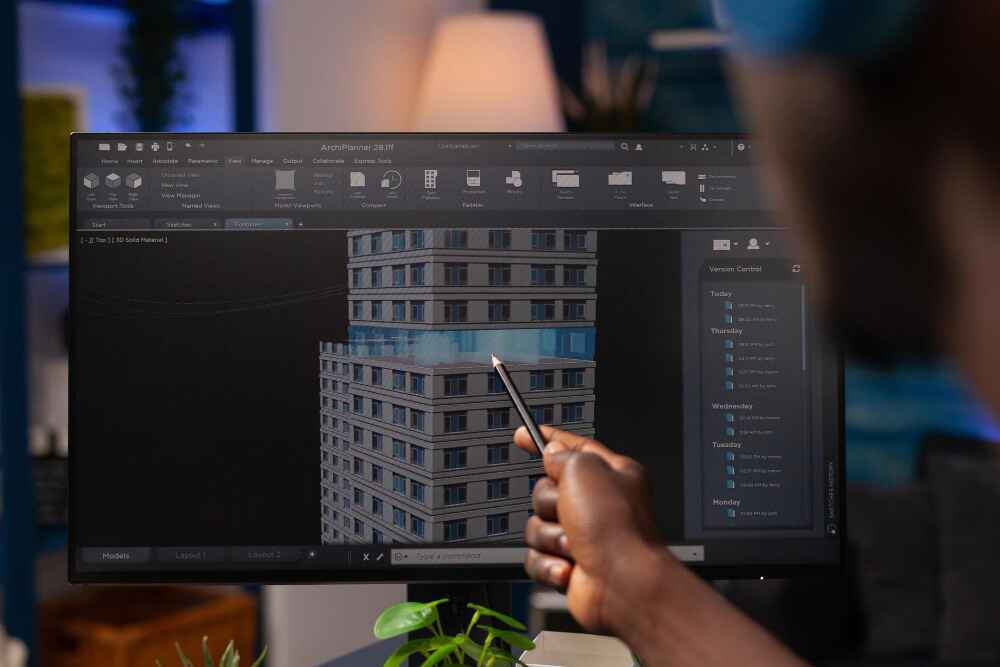
Construction projects today are incredibly complex. They require the combined efforts of several disciplines working together to complete them successfully. One way that companies are able to meet this challenge is through the use of digital tools, which have a huge impact on how engineers are able to implement the various international standards required of them. Through advanced modelling methodologies, engineers are able to model real-world conditions, identify conflicts early, and work together in an efficient manner. BIM service providers in the Middle East offer a convenient avenue for engineers to create intelligent three-dimensional models of structures, which allow for the integration of all structural, architectural, and mechanical engineering disciplines into one cohesive set of coordinated models. This method of producing cumulative digitized information for projects enables project teams to visualize their compliance with international standards, reduce the need to rework earlier produced information, and maintain accuracy over time.
Regional Adaptation of International Codes
In the Middle East, it is typically a requirement for local authorities to modify the codes to accommodate the unique regional climate and soil type, as well as the specific building methods utilized in the region. As such, it is important for engineering teams to understand both the international standards and the local modifications made to them. Having team members who have both international experience and familiarity with local code modifications means the team has the knowledge to obtain the necessary approvals while executing the building process on-site. With our extensive international experience in multiple countries, Strudco is able to incorporate international codes while fully complying with local regulations.
Engineering Collaboration Across Borders
International collaboration with contractors and consultants on various projects in the Middle East is commonplace, with the use of common design standards allowing for collaborative efforts towards the achievement of shared goals by the project team members. International building codes are not only established by the United States. However, many other countries around the world have adopted similar codes. Because of this, projects that require the cooperation of teams from different countries with a structural engineering consultant in Saudi Arabia must also consider the correct international building code when determining what level of workmanship is available at each stage in the process. Working together as a team with structural engineers from various countries allows projects to comply with the appropriate international building codes, enabling projects to achieve domestic development objectives.
Our Commitment to Global Engineering Excellence
Our international design standards act as the foundation for our engineering team’s development of reliable structural solutions by using global industry-specific standards alongside advanced technologies and local insight to deliver solutions to difficult situations on fast-track projects. Combining current technological capabilities with established standards allows us to comply with safety and maintain quality levels while providing projects with the greatest efficiency. Through the use of international design standards, we can create an infrastructure for the construction industry in the Middle East. The uniformity provided by these design standards will help provide consistency on projects, allow for safety to be maintained, and provide opportunities for creativity and innovation. The combination of the appropriate engineering experience and the right digital tools allows international design standards to become a critical component in successfully delivering construction projects.